


ידיעה מהעבר: IIASA, אחד הארגונים המובילים בעולם בתחום הקיימות, קיים כנס בישראל (2022)
News from the past: IIASA, one of the world’s leading organizations in sustainability, held its first conference in Israel (2022).
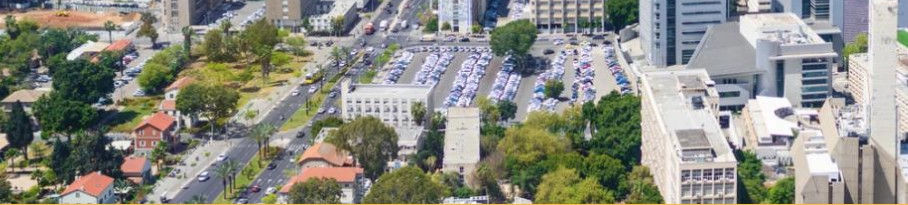
ארגון המחקר הבינלאומי IIASA - שמקדם ניתוח מערכות ויישום שיטות מחקר למציאת פתרונות מדיניות לצמצום טביעת הרגל האנושית, שיפור החוסן של מערכות טבעיות וסוציואקונומיות וסיוע בהשגת יעדי פיתוח בר-קיימא - ציין בשנת 2022 חמישים שנה להיווסדו, ולרגל האירוע החגיגי ראשי הארגון החליטו בפעם הראשונה לקיים כנס בישראל. הכנס התקיים ב-28-29 בנובמבר 2022 באוניברסיטת תל אביב. בכנס השתתפו חוקרים רבים בתחום מהארץ ובעולם.
פרטים מלאים אודות הכנס כולל סדר יום, דוברים ותכנים אחרים באתר IIASA >
ארגון IIASA נחשב למוביל עולמי בתחום חקר בנושאי הקיימות. מטה הארגון ממוקם בלקסנבורג שבאוסטריה, והמכון מונה היום 23 ארגונים חברים לאומיים ואזוריים מאפריקה, אמריקה, אסיה, ואירופה. ישראל חברה בארגון מאז 2017.
הכנס מתקיים בהובלה משותפת של הוועדה הישראלית ל-IIASA, בראשותו של פרופ' איתי סנד, דיקאן הפקולטה למדעי החברה באוניברסיטת תל אביב, משרד החדשנות, המדע והטכנולוגיה וכן חברי סגל וחוקרי סביבה, דמוגרפיה, ואקלים מכלל האוניברסיטאות בישראל. באירוע ישתתפו מנכ"לים ומדענים ראשיים במשרדי הממשלה וכן שגרירים של מדינות החברות בארגון.
ד"ר ורד בלאס מבית ספר פורטר ללימודי סביבה ומדעי כדור הארץ באוניברסיטת תל אביב, ששותפה להובלת הכנס, הדגישה כי קיומו בישראל יהווה אבן דרך מרכזית בהמשך פיתוח הקשרים המחקריים והיישומיים עם הארגון, ששואף לשיתופי פעולה אסטרטגיים עם חוקרים ישראליים בתחומים שבהם ישראל מובילה בעולם. היא הוסיפה שישראל מהווה מקרה בוחן ייחודי עם יכולת לקחת את המודלים הגנריים של הארגון ולהתאימם לקונטקסט המקומי.
ד"ר בלאס הסבירה כי אחד היעדים העיקריים של הכנס הוא לחשוף את ראשי ארגון IIASA לתכניות השונות שהממשלה וקובעי המדיניות מקדמים בישראל בהקשר של קיימות ובר-קיימא ולעודד שיתופי פעולה ארוכי טווח. לדבריה, הארגון IIASA עוסק בבעיות גלובליות חוצות גבולות וחוצות תחומים מחקריים המשפיעות על עתידה של האנושות כולה. ניירות העמדה והמחקרים שהארגון מוביל זמינים לקובעי המדיניות במדינות ברחבי העולם, וזאת במטרה לעזור להם לייצר מדיניות יעילה, מבוססת מדע, שתאפשר להם להתמודד עם אתגרים אלו.
אחד הפאנלים המרכזיים בכנס יכלול הרצאה של הדמוגרף פרופ' וולפגנג לוץ בתחום של "ניתוח מערכות של אוכלוסייה, חינוך וסביבה והאינטראקציה ביניהן". כמו כן תתקיים סדרה של מושבים ודיונים בנושאי דמוגרפיה, מגוון ביולוגי וחקלאות, מים, אנרגיה ותחבורה.
ד"ר בלאס הוסיפה שבניתוח מערכות יישומי, המטרה היא לא רק להבין את המערכת הנתונה, אלא להציע כיצד לשנות אותה. הראייה הרחבה מבחינה בכך שמערכות שונות אינן מבודדות וקשורות זה בזה. לדוגמה, האקלים, הכלכלה והביוספירה כולם משפיעים זה על זה, ויוצרים מערכת עולמית המכילה בתוכה תתי מערכות. עם ראייה הוליסטית זו, ניתוח מערכות יישומי יכול לזהות יתרונות משותפים וסינרגיות כאשר פעולה אחת עלולה לשפר שתי תוצאות: כגון יצור ושימוש בדלק מבוסס מקור צמחי הגורם לפליטת פחמן באמצעות שינוי עקיף בשימושי קרקע. הגישה או כלי רכב חשמליים המפחיתים פליטות גזי חממה וזיהום במרכזי הערים תחת תנאים מסוימים.
לדבריה, "תחום ניתוח המערכות היישומי בישראל נמצא בחיתוליו, הן באקדמיה הישראלית והן בממשל, במיוחד בנושאים הקשורים במשבר האקלים ובפרט ונושאי הקיימות בכלל. תחומים אלו דורשים מדיניות מבוססת מדע הלוקחת בחשבון את השחקנים השונים במערכת, המורכבות האנושית, הגיאוגרפית והטכנולוגית, ועל קובעי מדיניות בישראל חלה האחריות להשתמש במודלים מסוג זה ולשתף פעולה באופן הדוק עם חוקרים בתחום בארץ ובעולם".
מאת מערכת Ynet. לקריאת הידיעה המלאה >
The international research organization IIASA, which promotes systems analysis and the application of research methods to develop policy solutions that reduce humanity’s footprint, enhance the resilience of natural and socioeconomic systems, and support the achievement of the Sustainable Development Goals, marked its 50th anniversary in 2022.
To celebrate the milestone, the organization’s leadership decided for the first time to hold a conference in Israel. The conference took place on November 28–29, 2022, at Tel Aviv University, with the participation of many researchers from Israel and around the world.
IIASA is considered a global leader in sustainability research. The organization is headquartered in Laxenburg, Austria, and currently comprises 23 national and regional member organizations from Africa, the Americas, Asia, and Europe. Israel has been a member of IIASA since 2017.
The conference was jointly led by the Israeli Committee for IIASA, chaired by Prof. Itai Sened, Dean of the Faculty of Social Sciences at Tel Aviv University; the Ministry of Innovation, Science and Technology; and faculty members and researchers in environmental studies, demography, and climate from universities across Israel. The event was attended by CEOs and chief scientists from government ministries, as well as ambassadors from member countries.
Dr. Vered Blass of the Porter School of Environment and Earth Sciences at Tel Aviv University, who co-led the conference, emphasized that holding it in Israel represents a major milestone in further developing research and applied ties with IIASA, which seeks strategic collaborations with Israeli researchers in fields where Israel is a global leader. She added that Israel serves as a unique case study, with the capacity to adapt the organization’s generic models to the local context.
Dr. Blass explained that one of the conference’s main goals was to expose IIASA leadership to the various sustainability-related programs promoted by the Israeli government and policymakers, and to encourage long-term collaborations. She noted that IIASA addresses global, cross-border, and interdisciplinary challenges that affect the future of humanity as a whole. The policy papers and studies led by the organization are made available to policymakers worldwide to help them craft effective, science-based policies to confront these challenges.
One of the conference’s central panels featured a lecture by demographer Prof. Wolfgang Lutz on “systems analysis of population, education, and the environment and the interactions among them.” In addition, a series of sessions and discussions were held on demography, biodiversity and agriculture, water, energy, and transportation.
Dr. Blass added that in applied systems analysis, the goal is not only to understand a given system but also to propose how it can be changed. This broad perspective recognizes that systems are not isolated but interconnected. For example, climate, the economy, and the biosphere all influence one another, forming a global system composed of subsystems. With this holistic view, applied systems analysis can identify co-benefits and synergies, where a single action may improve multiple outcomes—such as producing and using plant-based fuels that reduce carbon emissions through indirect land-use change, or adopting electric vehicles that, under certain conditions, reduce greenhouse gas emissions and urban air pollution.
According to her, “The field of applied systems analysis in Israel is still in its early stages, both in academia and in government, particularly with regard to the climate crisis and sustainability issues more broadly. These areas require science-based policymaking that accounts for the various actors in the system, as well as human, geographic, and technological complexity. Israeli policymakers bear the responsibility to use such models and to collaborate closely with researchers in the field in Israel and around the world.”
Translate from Hebrew from an article by the Ynet editorial staff. Read the full article >